When water gets into a Lithonia home, from a storm, a leak or a backed-up drain, EPA says anything that stays wet more than 24 to 48 hours should be treated as moldy. Dry it fast, remove what's ruined, and fix the source. Call the number on this page to be connected with a local mold remediation company in Lithonia.
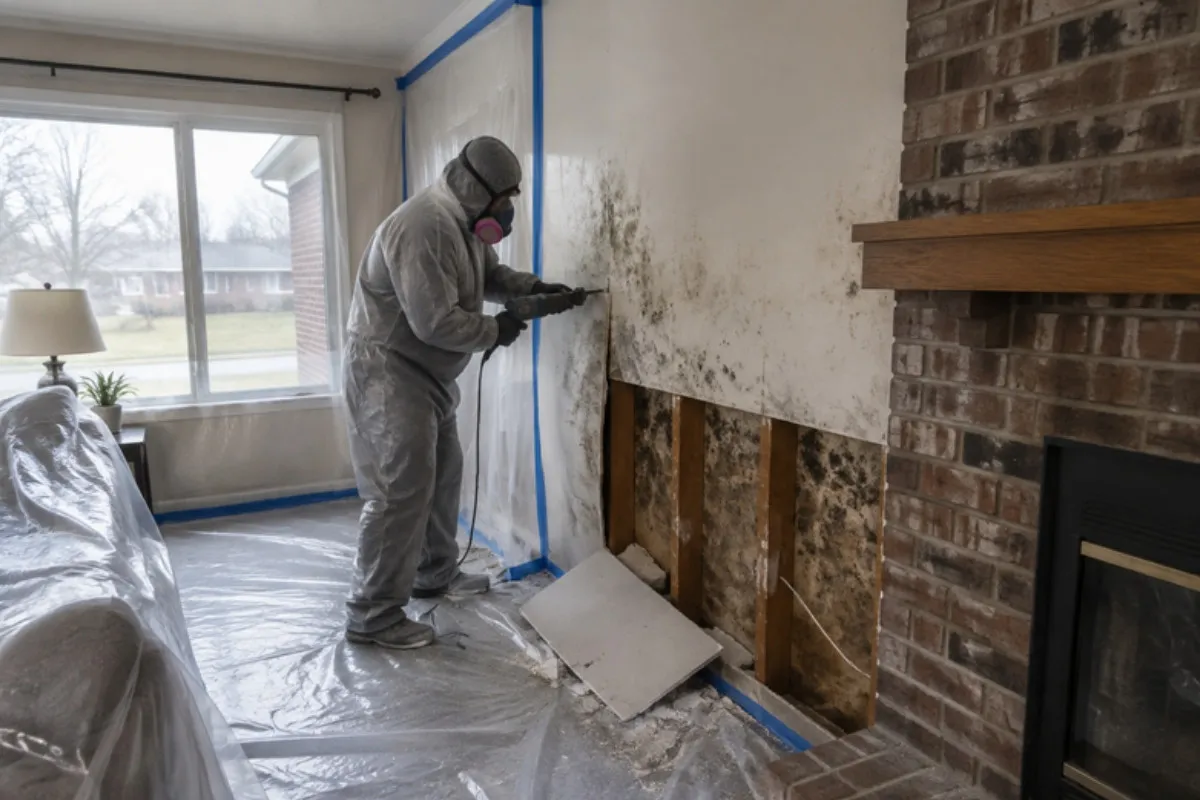
Mold services in Lithonia
A quarry town
Lithonia grew around the railroad and the granite quarries beginning in the 1840s, and its historic Main Street and the Lithonia Historic District still show that past. It is a small city with its own mayor, about 2,660 residents at the 2020 Census, and sits roughly 16 miles from downtown Atlanta in eastern DeKalb County near Interstate 20. It also serves as a gateway to the Arabia Mountain National Heritage Area.
Lessons from September 2009
During the September 2009 floods, the National Weather Service's event summary listed the Yellow River at Georgia Highway 124 cresting at 27.47 feet, against a flood stage of 15 feet, and the South River gauge at Lithonia cresting at 13.55 feet, above its 12-foot flood stage, on September 21. Flooding on that scale soaks floors, walls and crawl spaces, and anything that couldn't be dried in a day or two grows mold.
EPA's post-flood guidance still applies to any water event, large or small:
- If materials couldn't be dried within 24 to 48 hours, assume mold is growing.
- Throw out soaked porous items such as carpet, padding and ceiling tiles.
- Wear at least an N-95 respirator, gloves and eye protection during cleanup.
- Children should not take part in cleanup, and people with asthma or weakened immune systems should stay away from moldy areas.
Everyday moisture
Most mold calls don't involve floods at all. Long humid summers make air conditioners run constantly, and clogged drain lines leak into ceilings and floors. Red clay holds water against foundations after heavy thunderstorms. Bathrooms without good exhaust, slow plumbing leaks and roof flashing round out the common causes. EPA recommends keeping indoor humidity below 60 percent.
City offices
The City of Lithonia lists building permits, permit applications, permit fees and building codes under its Planning and Zoning section. Before rebuilding walls or floors after mold removal, ask the city whether a permit is needed. Lithonia also has its own Code Enforcement office for property condition complaints. Renters should first give their landlord written notice and keep a copy, as Georgia Legal Aid advises; Georgia law requires landlords to keep rentals in repair.
DeKalb Public Health says its Environmental Health Division handles mold only in permitted facilities such as restaurants and hotels; for homes, it offers information.
Hiring
Georgia has no state mold license. If rebuilding is included, check the company's Georgia residential or general contractor license on GOALS Verify Now. Angi's Atlanta cost guide reports a typical remediation at $1,249 to $4,363.
Common questions in Lithonia
How high did rivers near Lithonia rise in September 2009?
Who handles building permits in Lithonia?
What should I do after water gets into my house?
Does DeKalb Public Health inspect homes for mold?
Nearby cities and towns
Sources
- Wikipedia: Lithonia, Georgia
- City of Lithonia: Site Map
- National Weather Service Atlanta: The Epic Floods of September 2009
- DeKalb Public Health: Indoor Air Quality
- EPA: Homeowner's and Renter's Guide to Mold Cleanup After Disasters (pdf)
- EPA: A Brief Guide to Mold, Moisture and Your Home
- GeorgiaLegalAid.org: What Should I Know About Repairs to Rental Properties?
- Angi: How Much Does Mold Remediation Cost in Atlanta, GA?
- Georgia SOS GOALS: Verify Now
Last updated: