Basement mold removal means finding where the water gets in, then removing moldy drywall, carpet and trim and cleaning the hard surfaces left behind. In a finished basement much of the growth is behind the walls, so the job often involves cutting open drywall. Call the number on this page to be connected with a local mold remediation company in Atlanta.
How water reaches an Atlanta basement
The cause decides the fix, so start here. The usual sources around Atlanta, roughly in the order a good inspector checks them:
- The uphill wall. On sloped lots, rain soaks the red clay against the buried side of the foundation and pushes moisture through block or poured walls.
- Gutters and grading. Downspouts that empty at the foundation and soil that slopes toward the house feed that wall during every thunderstorm.
- Summer humidity. Warm, humid air hits cool concrete and condenses, especially behind furniture and under carpet.
- Plumbing and appliances. Water heaters, washers and supply lines often live in the basement and leak slowly.
- Flooding. Homes in low areas near creeks can take on surface water in heavy rain, as many metro Atlanta homes did in the September 2009 floods.
The finished basement problem
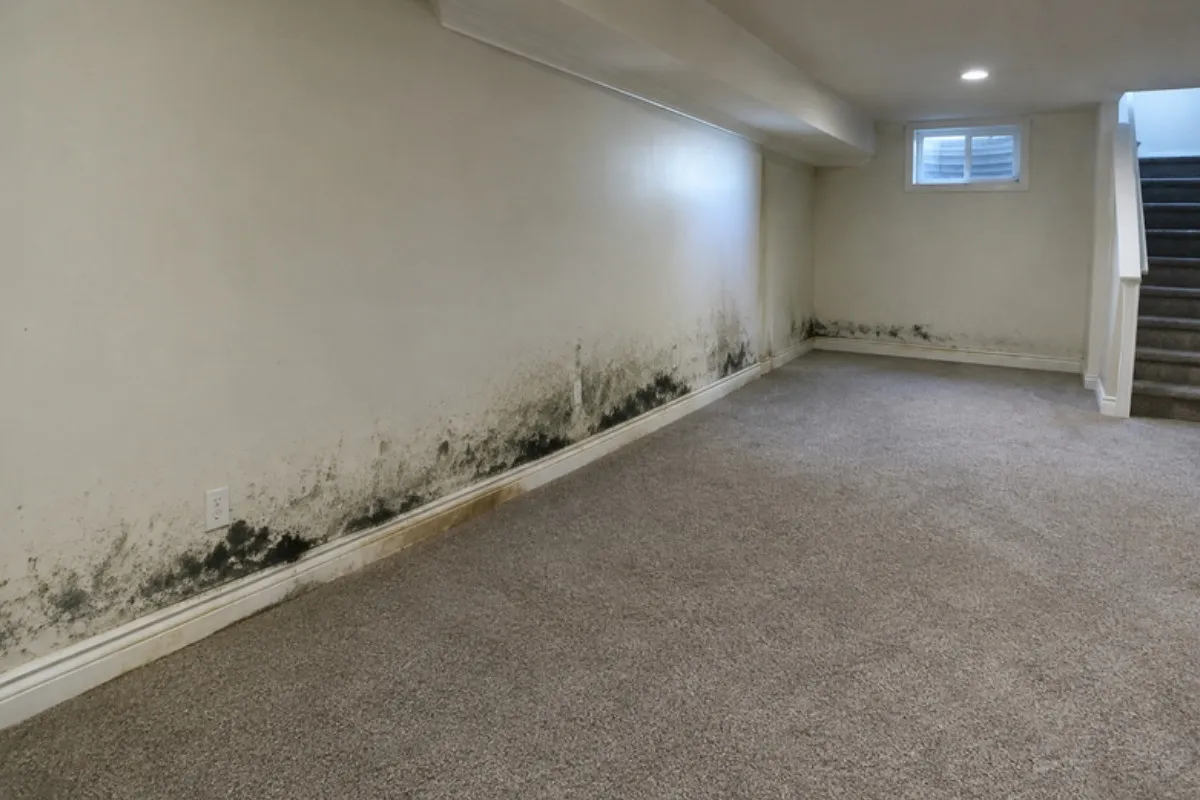
Unfinished basements show mold on bare walls and joists where you can see it. Finished ones hide it. Drywall wicks water up from a damp slab, carpet pad holds it, and the cavity behind the wall stays dark and humid. Signs include a musty smell, baseboards that are swelling or stained, and paint that bubbles near the floor. EPA notes that porous materials like carpet and ceiling tiles may need to be thrown out if moldy.
What the remediation company should do
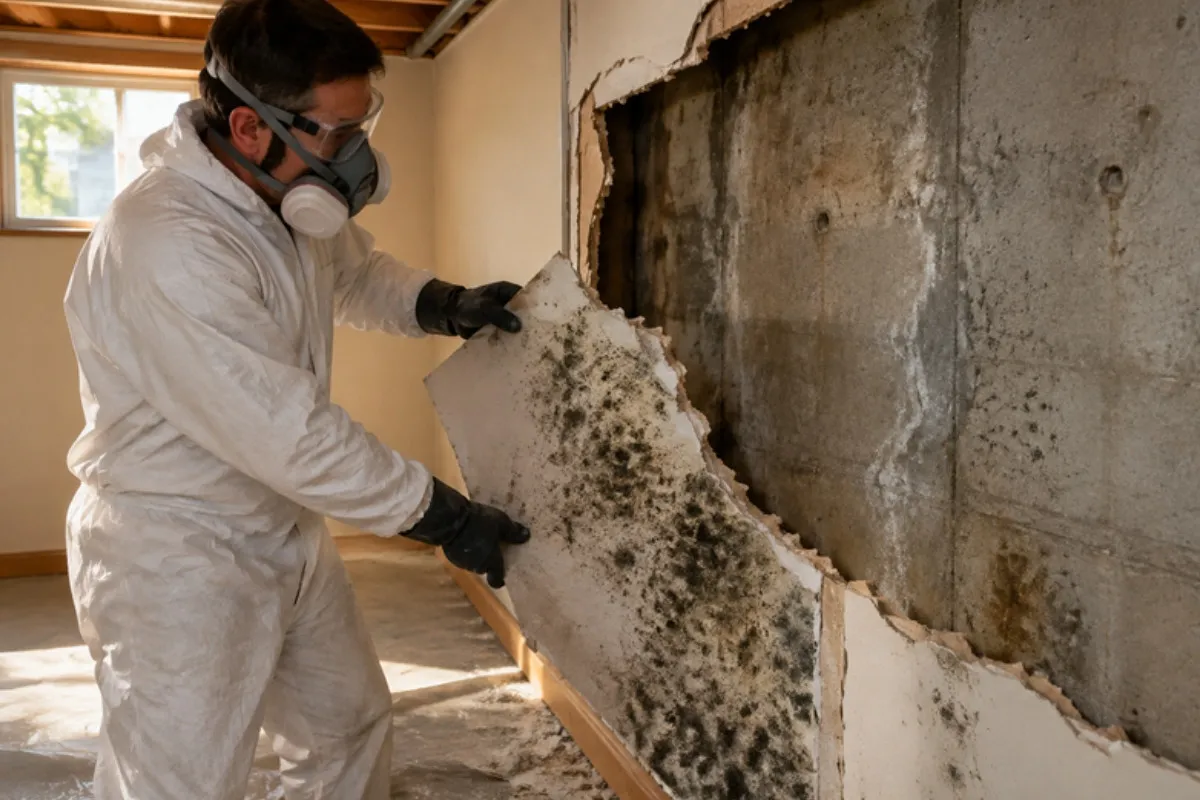
Expect the area to be closed off with plastic and kept under negative air pressure so dust stays out of the rest of the house. Moldy drywall is usually cut out a foot or more beyond the visible damage, carpet and pad are removed, and studs and slab are cleaned and dried before anything is rebuilt. If the house was flooded and could not be dried within 24 to 48 hours, EPA says to assume mold growth. People with asthma or weakened immune systems should stay away from the work area.
Costs to plan for
Angi's Atlanta cost guide reports basement mold remediation at $587 to $3,522, with related drywall repair at $1,174 to $3,405 and carpet at $910 to $3,052. HomeGuide's 2026 national ranges run $1,500 to $6,000 for a partial basement and $6,000 to $15,000 for a full one. Square footage, how much finish has to come out and whether waterproofing is part of the bid drive the total.
Rebuilding afterward
Putting walls back is construction work. Ask whether the company holds a Georgia residential or general contractor license, check it on GOALS Verify Now, and ask whether the rebuild needs a permit from the City of Atlanta Office of Buildings.
Basement Mold Removal questions from Atlanta homeowners
Should I fix the water problem before mold removal?
Can basement drywall be cleaned instead of replaced?
Will a dehumidifier stop basement mold in Atlanta?
Do I need a mold test for my basement?
Related mold services in Atlanta
Basement Mold Removal in nearby cities and towns
Fulton County
DeKalb County
Cobb County
Gwinnett County
Clayton County
Henry County
Douglas County
Fayette County
Cherokee County
Forsyth County
Rockdale County
Paulding County
Coweta County
Walton County
Bartow County
Carroll County
Sources
- EPA: Mold Cleanup in Your Home
- EPA: A Brief Guide to Mold, Moisture and Your Home
- EPA: Homeowner's and Renter's Guide to Mold Cleanup After Disasters (pdf)
- Angi: Mold Remediation Cost in Atlanta, GA
- HomeGuide: Mold Removal Cost (2026)
- Georgia SOS GOALS: Verify Now
- City of Atlanta: Office of Buildings
- National Weather Service Atlanta: The Epic Floods of September 2009
Last updated: