HVAC mold removal means finding where moisture collects in your heating and cooling system, cleaning the parts that can be cleaned and replacing the parts that cannot, such as moldy fiberglass duct board. EPA advises not running a system you suspect is contaminated. Call the number on this page to be connected with a local mold remediation company in Atlanta.
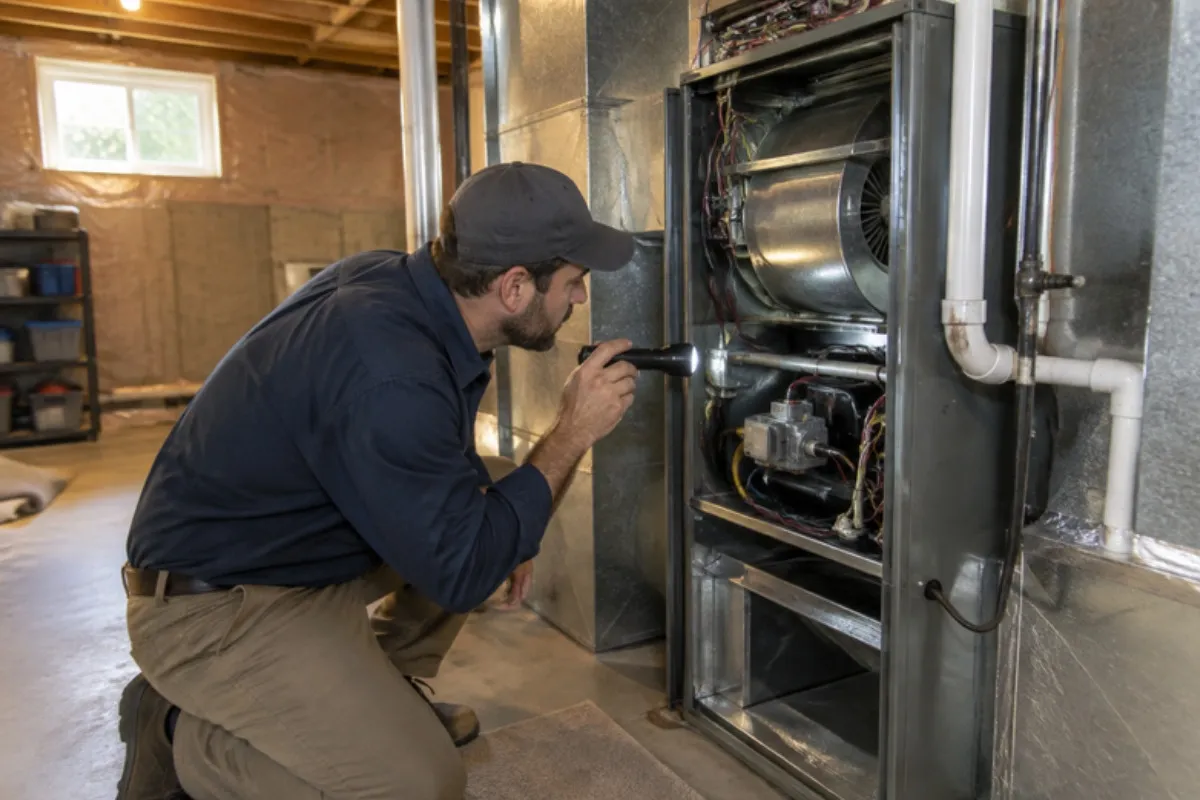
First decision: keep it running or shut it off?
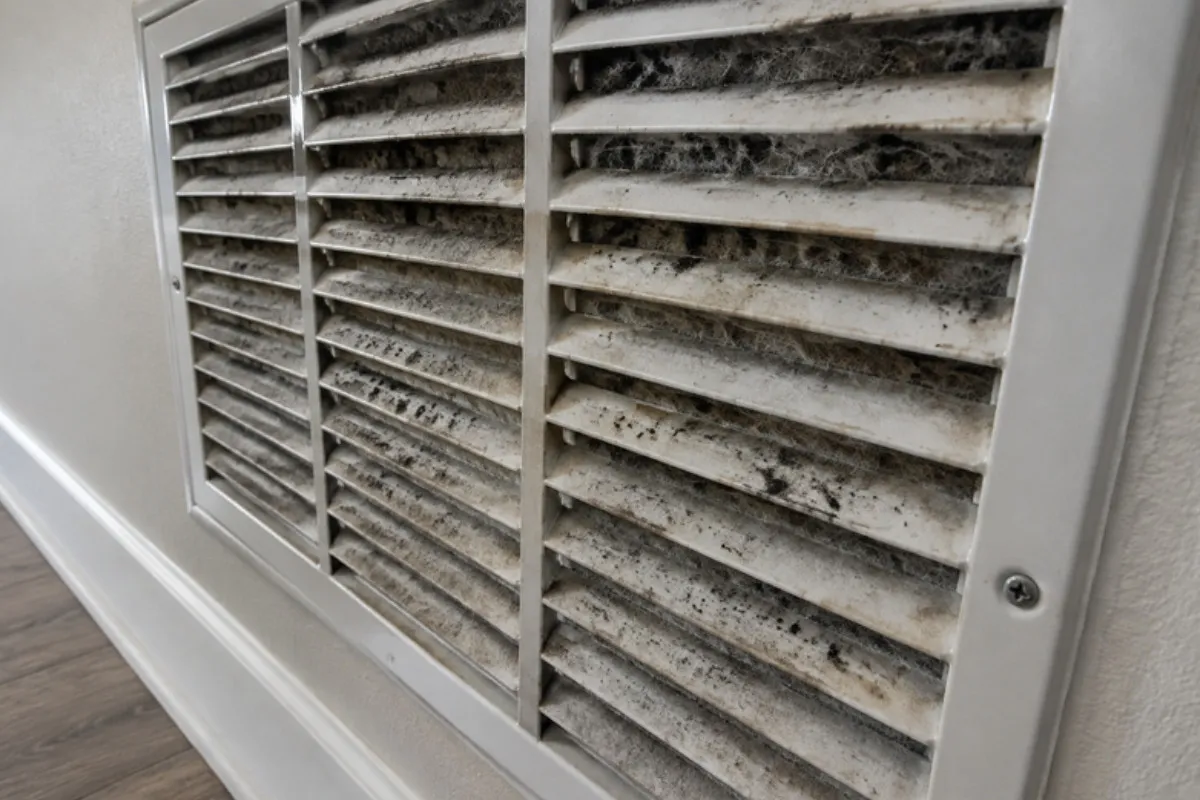
EPA says not to run an HVAC system if you know or suspect it has mold, because it can spread mold through the house. In an Atlanta summer that is a hard call, so tell the company you contact that the system is off or that you need it running, and ask how soon they can look at it. Meanwhile, note what you are seeing: a musty smell when the air kicks on, dark growth on vent covers, water around the air handler or a stuffy, damp feel indoors.
Where mold forms in a system
| Part | Why it gets wet |
|---|---|
| Evaporator coil and drip pan | The coil pulls moisture from humid air; a pan that does not drain stays wet |
| Condensate drain line | Clogs back up water into the pan or the surrounding floor or ceiling |
| Ducts in a crawl space or attic | Cold ducts sweat in humid air, and damaged insulation holds the water |
| Supply registers | Cold air meets humid room air and condensation forms on the grille |
EPA recommends keeping drip pans clean, drain lines flowing and indoor humidity below 60 percent.
Duct type changes the job
EPA's duct cleaning guidance says cleaning may be worth considering when there is substantial visible mold inside hard sheet metal ducts. Ducts made of fiberglass duct board or lined inside with fiberglass are different: if they are wet or moldy, EPA says they cannot be effectively cleaned and should be removed and replaced. Ask which kind you have before comparing bids.
What a sound bid includes
- An inspection of the air handler, coil, pan, drain line and the duct runs, with photos
- The moisture cause named and fixed, such as a clogged drain, an oversized unit or leaky ducts in the crawl space
- A clear list of what gets cleaned and what gets replaced
- Any coating or chemical named, with the reason it is needed
Heating and air equipment repair is its own trade credential in Georgia, separate from the general contractor license, so ask who will handle any work on the unit itself. Georgia has no state mold license or certification.
Price ranges
Angi's Atlanta cost guide reports HVAC system mold remediation at $3,522 to $11,740. HomeGuide's 2026 national range for HVAC systems or ducts is $2,000 to $10,000. Angi's 2026 national data puts an HVAC test at $50 to $75 added to an air test. The amount of ductwork, access in tight attics and crawl spaces and how much is replaced drive the cost.
HVAC & Air Duct Mold Removal questions from Atlanta homeowners
Can I run my air conditioner if there is mold in the ducts?
Is duct cleaning the same as mold removal?
Why does my Atlanta AC smell musty?
Will mold come back after the ducts are cleaned?
Related mold services in Atlanta
Helpful guides
HVAC & Air Duct Mold Removal in nearby cities and towns
Fulton County
DeKalb County
Cobb County
Gwinnett County
Clayton County
Henry County
Douglas County
Fayette County
Cherokee County
Forsyth County
Rockdale County
Paulding County
Coweta County
Walton County
Bartow County
Carroll County
Sources
- EPA: Mold Cleanup in Your Home
- EPA: A Brief Guide to Mold, Moisture and Your Home
- EPA: Should You Have the Air Ducts in Your Home Cleaned?
- Angi: Mold Remediation Cost in Atlanta, GA
- Angi: How Much Does a Mold Inspection Cost? (2026 data)
- HomeGuide: Mold Removal Cost (2026)
- O.C.G.A. 43-41-2: Definitions (Justia, 2010 code)
- Georgia DPH: Indoor Air Quality/Mold
Last updated: