A mold inspection in Lawrenceville tracks down damp building materials and any growth they support, then names the water source so the fix lasts. It is most useful after a leak, when a smell has no visible cause, or in homes near the Yellow River tributaries that ran high in 2009. Call the number on this page to be connected with a local mold inspector or remediation company in Lawrenceville.
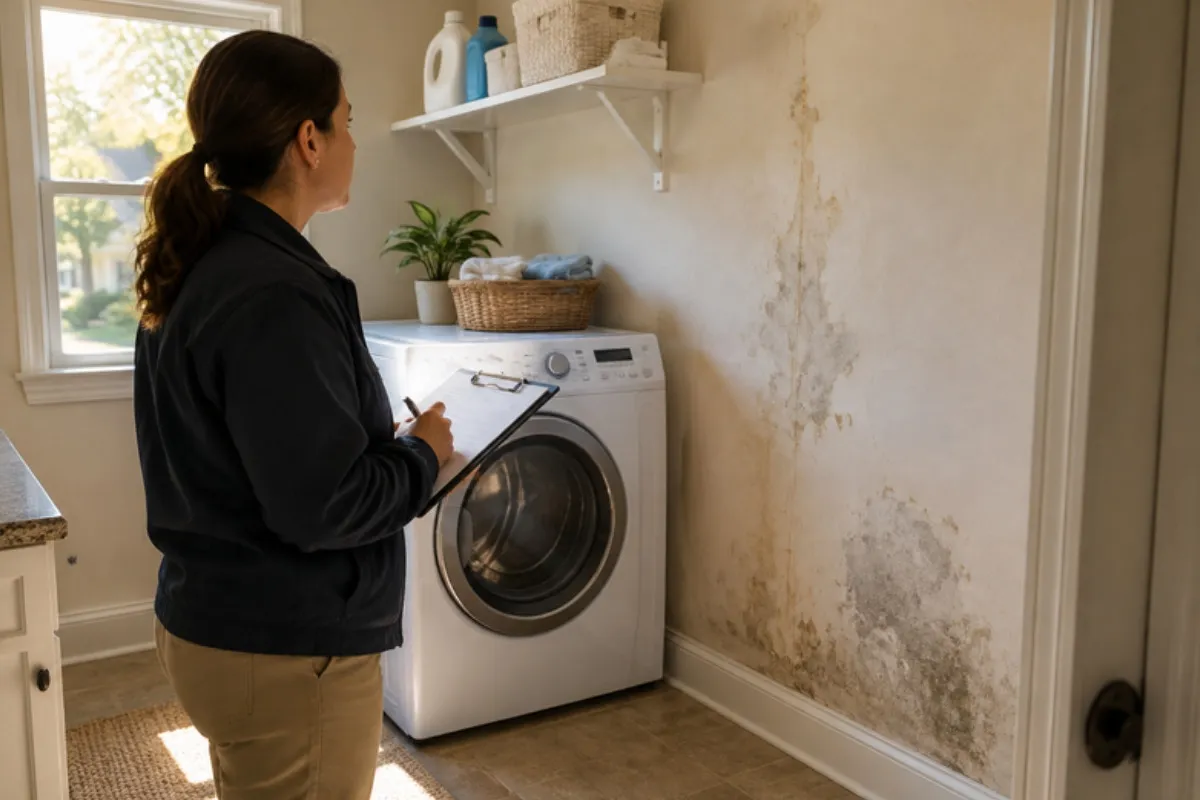
Why water history matters in Lawrenceville
Lawrenceville is the Gwinnett County seat, about 27 miles northeast of downtown Atlanta, and much of it drains to the Yellow River. Gwinnett County Stormwater Management reported that the heaviest rain of the September 2009 floods fell near Lawrenceville, with the county's worst flooding in the Yellow River watershed and roughly 19 inches over eight days in parts of it. National Weather Service gauges at Lawrenceville on Pew Creek, Shoal Creek and the Alcovy River all crested above flood stage on September 21, 2009.
A house that took water back then, or in any heavy storm since, may have subfloor or wall framing that never fully dried. Add the region's red clay, which holds water against foundations, and long humid summers, and a crawl space or finished lower level can stay damp for months without anyone noticing.
Inspection or testing?
| Question | Inspection | Lab testing |
|---|---|---|
| What it does | Finds wet materials, visible growth and the water source | Measures spores in air or on a surface |
| When it helps most | Odors, past leaks, storm water, buying a home | Hidden growth suspected, or checking that cleanup worked |
| What you get | Photos, moisture readings and a scope of work | Lab results the inspector should explain |
EPA notes that when mold is visible, sampling is usually unnecessary, and there are no federal limits for spore counts.
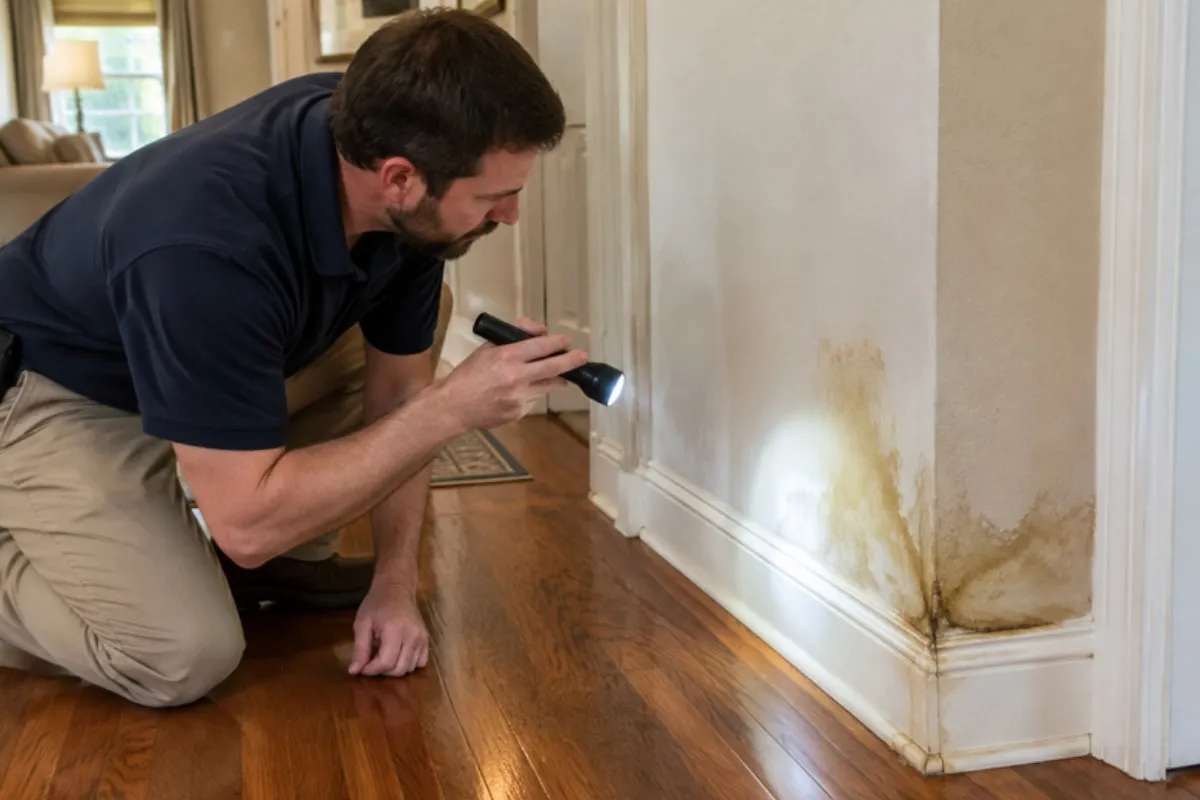
Signs that justify a visit
- A stale smell that returns when the HVAC system cycles on.
- Cupping hardwood, loose vinyl or soft spots in the floor over a crawl space.
- Stains on the ceiling under a bathroom or near the attic air handler.
- Condensation on ducts or windows that lingers most of the summer.
Timing and seasons
Late spring and summer are when trouble shows. The air conditioner runs hard, ducts sweat in crawl spaces and attics, and thunderstorms test roof flashing and gutters. Booking an inspection soon after a storm leak, rather than at the end of the season, gives you time to dry things before growth spreads. Renters in the city can reach Lawrenceville Code Enforcement for property maintenance problems; owners planning repairs after an inspection pull permits through the city's Planning and Development office.
Mold Inspection questions in Lawrenceville
My house took water in a past flood. Is an inspection still worth it?
What separates a mold inspection from mold testing?
I rent. How do I get a mold problem looked at?
What indoor humidity reading should prompt a call?
More mold services in Lawrenceville
Mold Inspection nearby
Sources
- Wikipedia: Lawrenceville, Georgia
- Gwinnett County Stormwater Management: September 2009 flood report (pdf)
- National Weather Service Atlanta: The Epic Floods of September 2009
- EPA: Mold Information Slideshow (testing and sampling)
- EPA: Homeowner's and Renter's Guide to Mold Cleanup After Disasters (pdf)
- EPA: A Brief Guide to Mold, Moisture and Your Home
- City of Lawrenceville: Code Enforcement
- City of Lawrenceville: Plan Review and Permitting
- O.C.G.A. 44-7-13: Landlord's duties as to repairs (Justia)
Last updated: